Skip hours of research. Our experts have tested dozens of trading bots so you don’t have to. Answer 6 quick questions and get a personalized recommendation based on your trading style and goals.”
How to Avoid Trading Bot Scams: Red Flags and Safe Platforms in 2026
The trading bot industry has a scam problem. For every legitimate platform helping traders automate their strategies, there are several more making outrageous promises, collecting subscription fees, and delivering nothing but losses. As automated trading has grown in popularity, so has the number of bad actors looking to exploit traders who are new to the space. Knowing how to spot a scam before you hand over your money is one of the most important skills you can develop.
Why Trading Bot Scams Are So Common
The appeal of passive income and automated profits makes traders especially vulnerable to deceptive marketing. When someone promises you a bot that generates 10% monthly returns with minimal risk, it sounds too good to be true because it is. Scammers understand that many people entering the trading bot space are looking for a shortcut, and they build their pitches around that desire. The combination of financial complexity, technical jargon, and the genuine existence of legitimate automation tools creates a perfect cover for fraudulent products.
Red Flag #1: Guaranteed Returns
No legitimate trading platform, bot, or fund can guarantee returns. Markets are inherently unpredictable, and any product claiming a fixed monthly return regardless of market conditions is either lying or running a Ponzi scheme. Phrases like "guaranteed 5% monthly," "risk-free profits," or "never lose a trade" are immediate disqualifiers. Walk away from any platform using this language.
Red Flag #2: No Verifiable Track Record
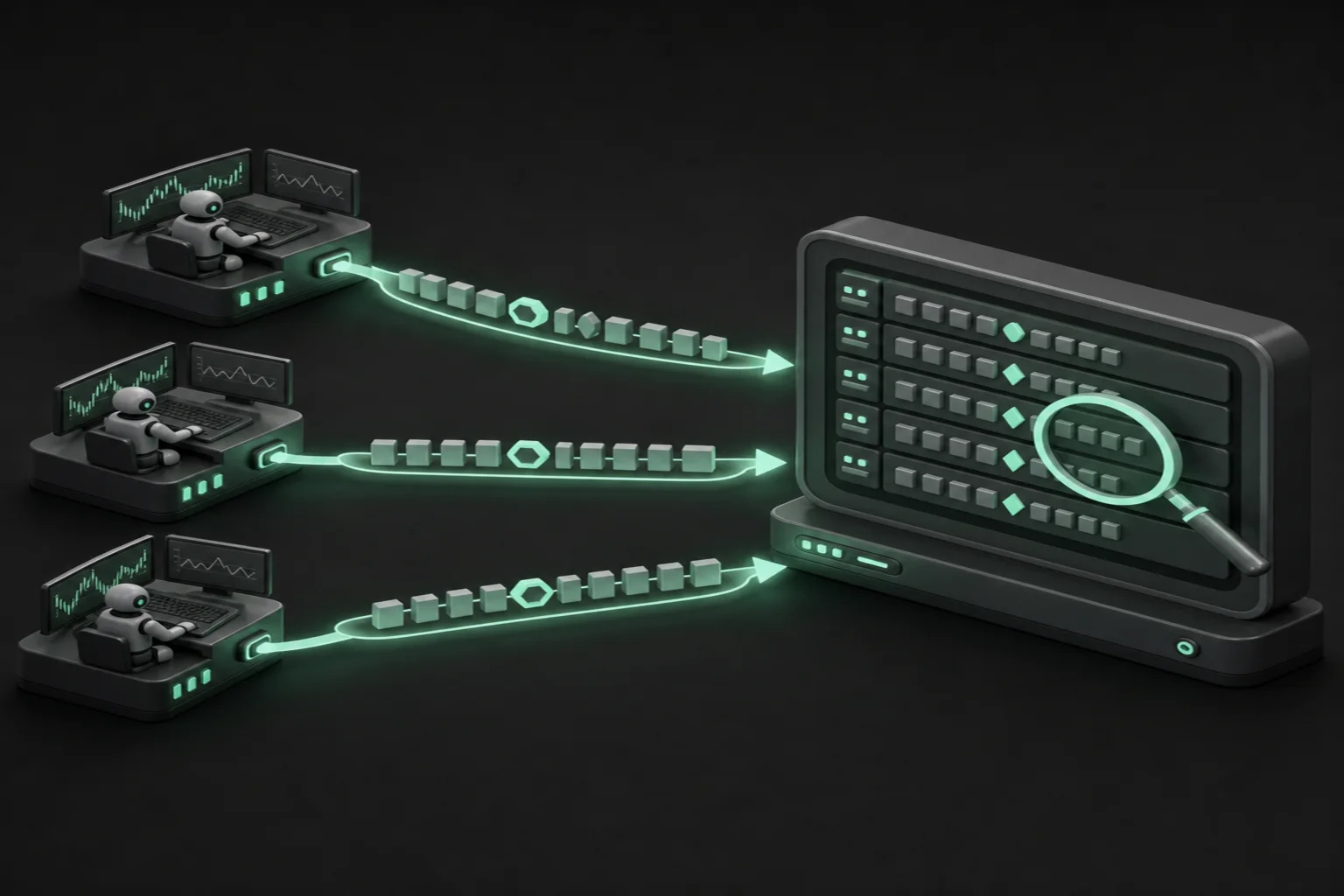
Legitimate platforms are transparent about performance. They share audited or independently verified live trading results, not just cherry-picked backtests or fabricated screenshots. If a platform cannot point you to a verified, real-money track record with realistic drawdown periods and losing trades included, you have no basis for trusting their claims. Be especially skeptical of platforms that only show equity curves with no losing periods — real trading does not look like that.
Red Flag #3: Pressure Tactics and Limited-Time Offers
Scam platforms frequently use high-pressure sales tactics: countdown timers, "only 3 spots left," or "price doubles tomorrow." These tactics are designed to prevent you from doing proper due diligence. Any legitimate platform is confident enough in its product to let you take your time evaluating it. If you feel rushed into a decision, that is a warning sign worth heeding.
Red Flag #4: Vague or Hidden Technology
When you ask a legitimate platform how their bot works, they can explain it. They will describe the strategy logic, the indicators used, the risk parameters, and how orders are executed. Scam platforms often respond to technical questions with vague language about "proprietary AI," "advanced algorithms," or "machine learning" without any specifics. If the company cannot or will not explain how their product actually works, do not trust it with your money.
Get the Top 5 Bots for Early Retirement report:
Red Flag #5: Requests for Wallet Access or Withdrawal Permissions
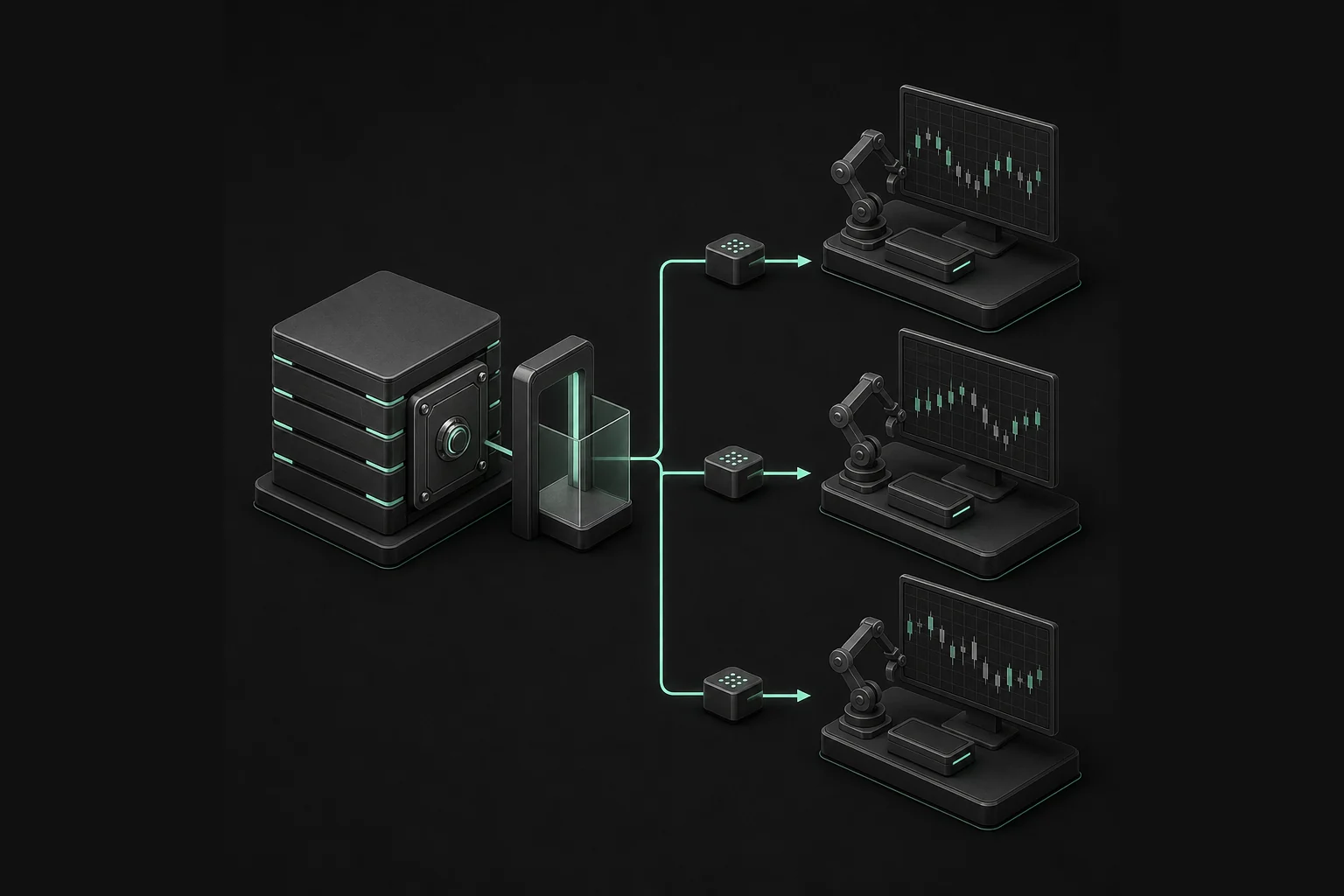
A legitimate trading bot never needs access to withdraw funds from your account. When connecting a bot via API keys, the keys should be configured for trading permissions only, never withdrawal permissions. Any platform that asks for wallet seed phrases, full account access, or withdrawal-enabled API keys is either incompetent or malicious. Treat this as a hard line.
Red Flag #6: No Regulatory Transparency
Regulated financial services companies publish their registration details, licensing information, and legal disclosures. If a trading bot platform operates out of an unknown jurisdiction, has no legal entity you can find, and provides no terms of service or privacy policy, those are serious warning signs. It does not mean every unregulated platform is a scam, but a complete lack of transparency should raise your guard significantly.
How to Verify a Platform Before Committing
Before depositing any money, search the platform name alongside words like "scam," "review," and "complaint" on Google, Reddit, and Trustpilot. Look for patterns in negative reviews rather than isolated complaints. Check whether the founders or team members are publicly identifiable and verifiable. Test the platform's paper trading mode before going live. Start with the smallest possible deposit if you do proceed, and never invest more than you can afford to lose entirely.
Platforms With Strong Reputations
Some of the most consistently well-reviewed platforms in the automated trading space include 3Commas, Cryptohopper, Pionex, TradingView with Pine Script automation, and TradeStation for equities. These platforms have large user bases, public documentation, verifiable track records from real users, and clear fee structures. They are not perfect, but they represent the standard of transparency that any platform you consider should be held to.
The Bottom Line
Trading bot scams thrive on impatience and financial hope. The antidote is skepticism, research, and a willingness to walk away from anything that promises too much too easily. Legitimate automation tools can genuinely improve your trading, but they require effort to set up, realistic expectations to manage, and proper risk controls to operate safely. If someone is telling you otherwise, they are trying to take your money.
Free Report
Before You Choose a Bot, Read This
Get our free Top 5 Bots for Early Retirement report plus The Bot Report newsletter — the bots we'd actually trust to compound over the long term.
Written by
Daniel Whitmore
10 min read
The TradingBotExperts Editorial Team consists of traders, analysts, financial writers, and AI researchers with over a decade of combined experience in algorithmic trading and fintech. We produce research-driven content to help traders understand automated systems, evaluate trading bots, and navigate the evolving world of AI-powered investing.
How to Choose the Best Trading Bots for Your Strategy
Take our free quiz to show how to pick bots that actually work for you
Get My Free Bot Report
Get Our Expert Bot Recommendation
Skip hours of research. Our experts have tested dozens of trading bots so you don’t have to. Answer 6 quick questions and get a personalized recommendation based on your trading style and goals.”
Join The Bot Report newsletter and get our free guide to the five trading bots most likely to help you retire early — backed by real reviews and verified performance.