Skip hours of research. Our experts have tested dozens of trading bots so you don’t have to. Answer 6 quick questions and get a personalized recommendation based on your trading style and goals.”
Trading Bot vs Signal Service: Which One Actually Makes Money in 2026?
Two of the most popular tools for retail traders who want an edge without doing everything manually are trading bots and signal services. Both promise to improve your results. Both have passionate advocates. And both have caused significant losses for traders who used them without understanding what they were actually buying. This guide breaks down how each works, where each excels, and which one is more likely to put money in your pocket.
What Is a Trading Bot?
A trading bot is software that connects directly to your exchange or broker and executes trades automatically based on a predefined set of rules. Once configured, the bot operates independently — scanning markets, identifying setups that match your strategy criteria, and placing orders without any manual input from you. The bot runs 24/7, removes emotional decision-making from the equation, and can execute faster than any human trader. You remain in control of the strategy rules, risk parameters, and capital allocation.
What Is a Signal Service?
A signal service is a provider — human, algorithm, or a combination of both — that sends you trade recommendations. These signals typically include an entry price, stop-loss level, and take-profit target. Some services deliver signals via Telegram, email, or SMS. Others operate through dedicated apps or platforms. The key difference from a trading bot is that signals require you to act. You receive the recommendation and then decide whether to place the trade manually, or use a bot to automate signal execution.
Where Trading Bots Win
Speed and consistency are the primary advantages of a trading bot. A bot executes the moment conditions are met, without hesitation, fear, or second-guessing. It applies your risk rules identically on every trade, whether you are awake or asleep. For strategies that depend on precise entry timing — scalping, momentum, grid trading — a bot is simply more effective than a human. Bots are also fully auditable: you can review every trade, backtest the strategy on historical data, and optimize parameters based on real performance data.
Where Signal Services Win
The best signal services offer something a bot cannot easily replicate: human judgment applied to complex, nuanced market conditions. An experienced analyst can interpret breaking news, central bank commentary, geopolitical developments, and sentiment shifts in ways that rule-based algorithms often miss. For traders who want to be involved in their trading decisions rather than fully automating, signals provide a structured framework without requiring them to build a complete strategy from scratch. High-quality signal services also often come with educational context explaining the rationale behind each trade.
Get the Top 5 Bots for Early Retirement report:
The Reliability Problem With Signal Services
The signal service industry has a serious quality control problem. Many services publish only their winning trades, ignore or quietly delete losing signals, and make performance claims that cannot be independently verified. Without a transparent, audited track record, there is no way to evaluate whether a signal service actually generates positive expectancy over time. Even well-intentioned services can suffer from survivorship bias in their reported results. Before paying for any signal service, demand independently verified performance data covering at least 12 months of live trading, including all losing signals.
The Reliability Problem With Trading Bots
Bots are only as good as the strategy they run. A poorly designed strategy will lose money consistently and efficiently. Bots are also vulnerable to over-optimization — a strategy that was fine-tuned to perform perfectly on historical data may collapse when applied to live markets. Technical failures, API disconnections, and exchange outages can also cause a bot to miss trades or execute incorrectly. Unlike a signal service where a human can adapt on the fly, a bot will continue executing its rules even when market conditions have fundamentally changed.
Can You Combine Both?
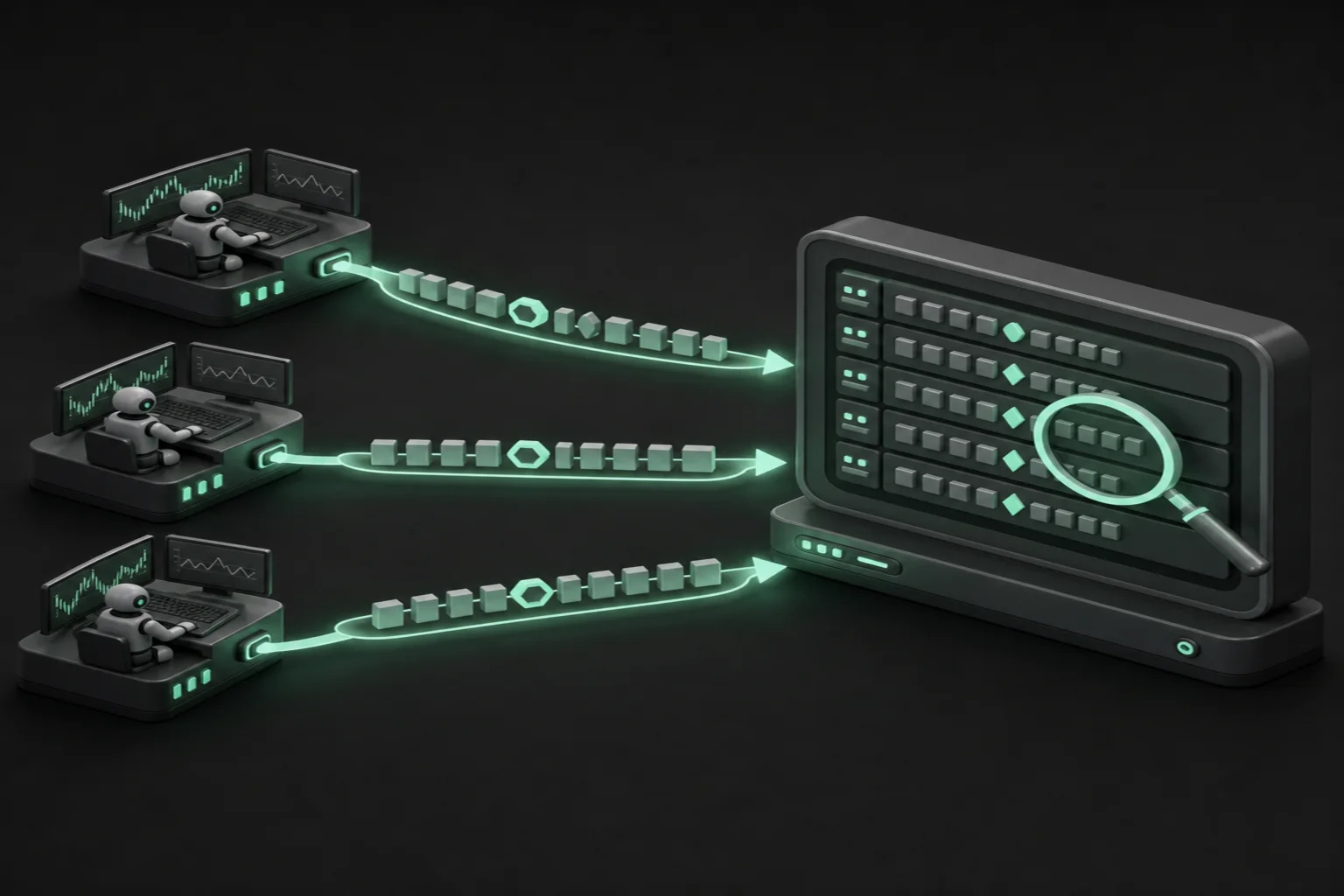
Yes, and many professional traders do. Signal-to-bot automation — where a signal service sends alerts that automatically trigger bot execution — is increasingly popular. Platforms like 3Commas and TradingView support webhook-based automation that allows signals from external sources to trigger bot orders instantly. This hybrid approach captures the analytical judgment of a quality signal provider while removing the execution lag and emotional interference of manual trading.
Which One Is Right for You?
If you want full automation, do not want to monitor markets manually, and are willing to invest time in learning strategy configuration, a trading bot is the better long-term choice. If you are newer to trading, want to stay involved in decision-making, and have identified a genuinely well-performing signal provider with a verified track record, signals can be a useful learning and income tool. For most serious traders, the answer is not one or the other — it is understanding both well enough to use them together.
Free Report
Before You Choose a Bot, Read This
Get our free Top 5 Bots for Early Retirement report plus The Bot Report newsletter — the bots we'd actually trust to compound over the long term.
Written by
Lucas Tanaka
9 min read
The TradingBotExperts Editorial Team consists of traders, analysts, financial writers, and AI researchers with over a decade of combined experience in algorithmic trading and fintech. We produce research-driven content to help traders understand automated systems, evaluate trading bots, and navigate the evolving world of AI-powered investing.
How to Choose the Best Trading Bots for Your Strategy
Take our free quiz to show how to pick bots that actually work for you
Get My Free Bot Report
Get Our Expert Bot Recommendation
Skip hours of research. Our experts have tested dozens of trading bots so you don’t have to. Answer 6 quick questions and get a personalized recommendation based on your trading style and goals.”
Join The Bot Report newsletter and get our free guide to the five trading bots most likely to help you retire early — backed by real reviews and verified performance.