Skip hours of research. Our experts have tested dozens of trading bots so you don’t have to. Answer 6 quick questions and get a personalized recommendation based on your trading style and goals.”
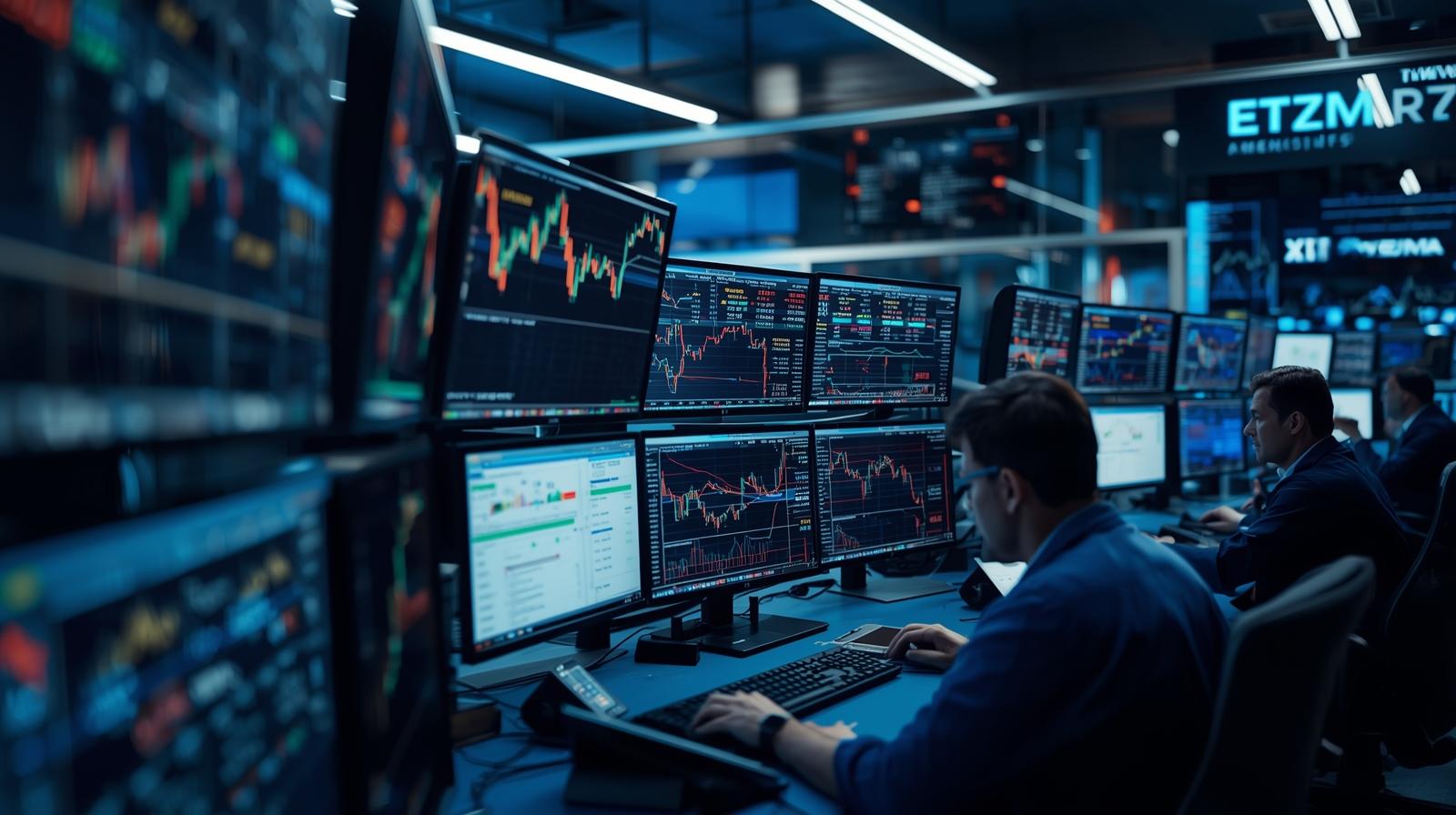
News events are one of the most challenging conditions a trading bot will ever face. A central bank rate decision, an earnings report, a geopolitical shock, or an unexpected economic data release can move a market by several percent in seconds. Human traders can watch a screen, read the headline, and make a judgment call. A trading bot follows its rules. Understanding how those rules interact with sudden, high-impact news is one of the most important things any bot trader needs to think through before deploying real capital. What is a trading bot? It is software that executes trades automatically based on a predefined strategy. Whether that strategy handles news events well or poorly depends almost entirely on how it was designed. For more on how automated trading works, visit TradingBotExperts.com.
This guide explains what actually happens when news hits while a bot is running, the different approaches bots use to respond to news events, and the practical steps traders can take to protect their automated systems during high-volatility periods.
What Happens When News Hits While a Bot Is Running
When a significant news event occurs, markets often respond within milliseconds. Price gaps, extreme volatility, and sudden liquidity changes can all occur simultaneously. For a trading bot running a standard technical strategy, this environment is dangerous because almost everything it was designed around breaks down at once.
A trend following bot that was tracking a gradual upward move may suddenly find the market has gapped sharply in the opposite direction. A mean reversion bot may see what looks like an extreme deviation and enter a position, only to have that deviation continue far beyond any historical precedent as the market digests an unexpected announcement. A grid bot may find its carefully spaced buy and sell orders overwhelmed by a market that moves far beyond the range the grid was set to cover.
In addition to strategy breakdown, news events typically cause spreads to widen dramatically. The difference between the bid and ask price on most instruments expands sharply when volatility spikes, which means orders that would normally fill at acceptable prices instead execute at much worse levels. Slippage during news events can be extreme, and stop loss orders that are designed to protect capital may fill far below their trigger price in fast-moving markets.
Liquidity also drops during the seconds immediately before and after major announcements, as market makers pull their quotes to avoid being caught on the wrong side of a sudden move. This combination of wider spreads and reduced liquidity is one of the primary reasons why news events can turn a normally well-behaved bot into a source of significant losses in a very short period of time.
There is no single correct way for a trading bot to handle news events, but the approaches that exist fall broadly into three categories: ignoring news entirely, pausing during scheduled events, and actively incorporating news as a signal.
Ignoring news entirely. Many simple trading bots have no news awareness built in at all. They run their strategy continuously regardless of what is happening in the broader market. This approach is not necessarily wrong for all strategies. A long-term swing trading bot that holds positions for weeks and targets large percentage moves may be relatively unaffected by short-term news volatility. The risk is that a major unexpected event, such as an emergency central bank announcement or a geopolitical shock, can produce losses that far exceed what the backtest suggested was possible, because backtests typically smooth over the impact of extreme events.
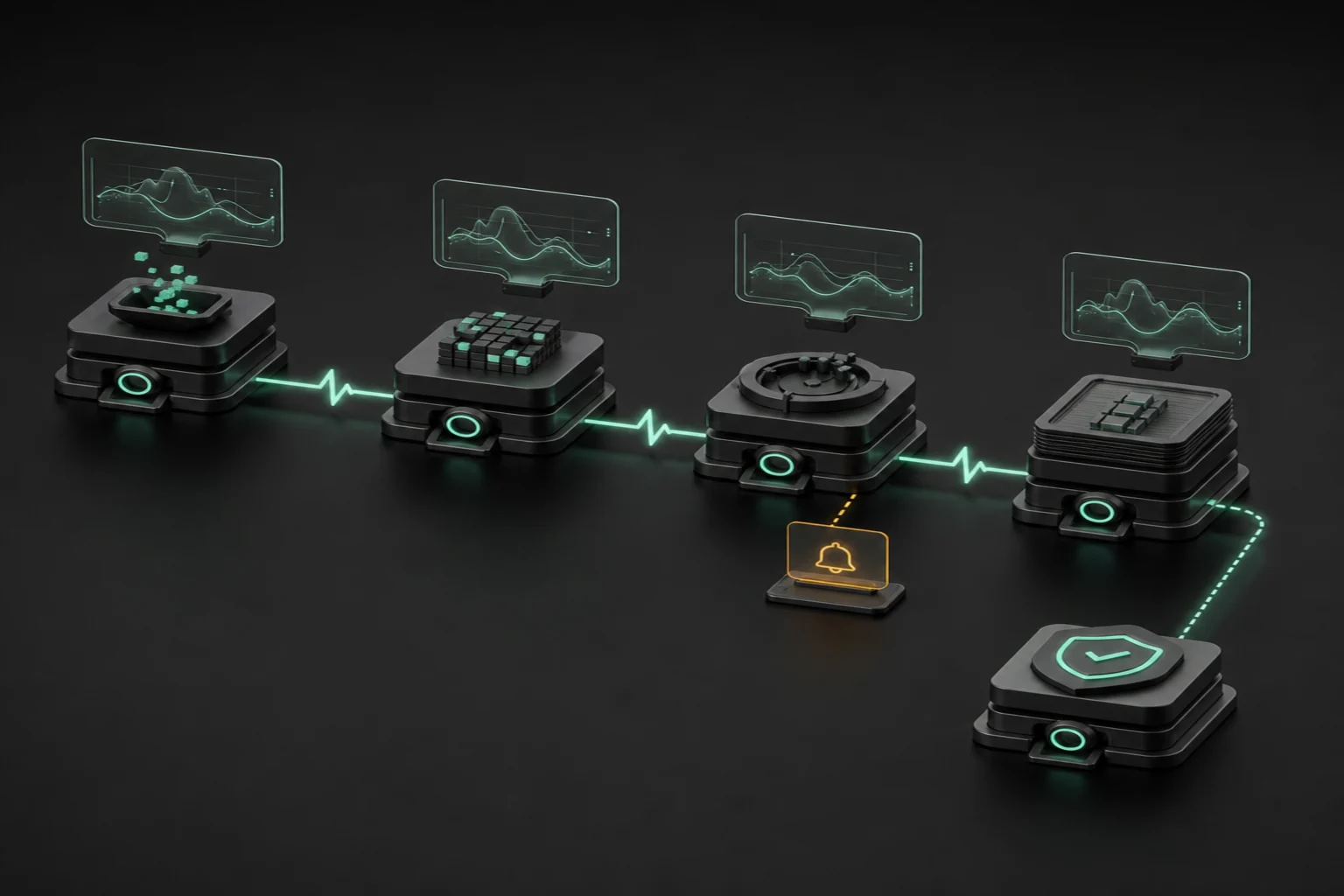
Pausing during scheduled high-impact events. A more sophisticated approach is to build awareness of the economic calendar into the bot's logic. Scheduled high-impact events, such as central bank interest rate decisions, non-farm payroll releases, inflation data, and earnings announcements, are known in advance and appear on economic calendars that bots can access programmatically. A bot with news filtering can automatically pause new trade entries in the minutes before and after these scheduled events, wait for volatility to subside, and then resume normal operation once spreads have normalised and liquidity has returned. This approach does not protect against unscheduled events, but it prevents the bot from entering trades during the most predictably dangerous conditions.
Using news as an active signal. More advanced bots, typically those incorporating machine learning and natural language processing, attempt to read and interpret news in real time and use sentiment or keyword analysis to generate or modify trading signals. These systems scan news wires, financial data feeds, and in some cases social media to detect market-moving information as soon as it is published. The appeal is that rather than simply avoiding news, the bot tries to profit from it. The challenge is that this is genuinely difficult to do well. News interpretation requires context that is hard to encode in rules, and the speed advantage that institutional high-frequency traders have in processing and acting on news means retail bots are almost always behind the fastest participants in the market.
Practical Steps to Protect Your Bot During News Events
Whether or not your bot has built-in news awareness, there are practical steps every bot trader can take to reduce exposure to news-driven losses.
Get the Top 5 Bots for Early Retirement report:
The most effective protection for most retail bot traders is a combination of economic calendar awareness and manual intervention. Check the economic calendar at the start of each week and identify the scheduled high-impact releases that could affect the markets your bot trades. Plan to either manually pause your bot before these events or ensure your bot's position sizing and stop loss levels are conservative enough to absorb the volatility without catastrophic damage.
Position sizing is one of the most underappreciated tools for managing news risk. A bot that risks two percent of account equity per trade has a much better chance of surviving a bad news event than one that risks ten percent. The smaller the individual risk per trade, the more capacity the account has to absorb unexpected losses during extreme conditions.
Stop loss placement also matters significantly during news events. Stops that are placed very close to the current price are more likely to be triggered by normal volatility and then gapped through by sudden moves, leaving the actual exit price far worse than intended. Wider stops combined with smaller position sizes can provide better protection during news volatility than tight stops combined with larger positions.
Some traders choose to run their bots only during certain hours of the trading day, deliberately excluding the periods immediately surrounding major scheduled announcements. This approach sacrifices some trading opportunities but reduces exposure to the most dangerous conditions for automated strategies.
One of the most important things to understand about news risk is that standard backtesting frameworks almost always underestimate it. Backtests typically use end-of-day or minute-bar data that averages over the extreme price movements that occur during news events. A backtest run on hourly candle data will show a candle that opened at one price and closed at another, with no indication that the price moved violently in both directions during the intervening period.
Tick-level backtesting gives a more realistic picture, but even then, the execution assumptions most frameworks use, such as fills at the exact stop loss price, do not account for the gapping and slippage that occurs during news-driven volatility. The result is that strategies look much safer in backtests than they actually are when deployed in live markets during high-impact news periods.
This gap between backtest performance and live performance during news events is one of the key reasons why paper trading over a period that includes major economic releases is so valuable before committing real capital to an automated strategy. A paper trading period that captures several central bank decisions, payroll releases, or earnings seasons will give a much more realistic picture of how the strategy actually behaves under news-driven conditions than any backtest can provide.
Take Our Free Trading Bot Match Quiz
Whether you are evaluating your current bot's news handling or looking for an automated system that suits your risk tolerance, finding the right setup for your trading style makes a real difference.
Find Your Best Trading Bot in 60 Seconds
Which trading bot is right for you? Take our free Trading Bot Match Quiz and get a personalised recommendation based on your budget, goals, and risk tolerance in under 60 seconds. We will also send you a free e-book with honest reviews, performance stats, and red flags to avoid in the trading bot world. Whether you are trading stocks, options, or crypto, this guide helps you find the right platform to get started. Click here to take the quiz and get your free report.
Questions to Ask Yourself Right Now
Does your bot have any built-in awareness of the economic calendar, or does it run continuously through all scheduled high-impact events?
Is your position sizing conservative enough that a bad news event would cause a painful but survivable loss rather than a catastrophic one?
Have you paper traded your strategy through at least one or two major scheduled news events to see how it actually behaves?
Do you have a manual override plan for unexpected market-moving events that occur outside the scheduled economic calendar?
Free Report
Before You Choose a Bot, Read This
Get our free Top 5 Bots for Early Retirement report plus The Bot Report newsletter — the bots we'd actually trust to compound over the long term.
Written by
Marcus Feldman
9 min read
The TradingBotExperts Editorial Team consists of traders, analysts, financial writers, and AI researchers with over a decade of combined experience in algorithmic trading and fintech. We produce research-driven content to help traders understand automated systems, evaluate trading bots, and navigate the evolving world of AI-powered investing.
How to Choose the Best Trading Bots for Your Strategy
Take our free quiz to show how to pick bots that actually work for you
Get My Free Bot Report
Get Our Expert Bot Recommendation
Skip hours of research. Our experts have tested dozens of trading bots so you don’t have to. Answer 6 quick questions and get a personalized recommendation based on your trading style and goals.”
Join The Bot Report newsletter and get our free guide to the five trading bots most likely to help you retire early — backed by real reviews and verified performance.